How Solutions Journalism Amplifies Community Change

Change doesn’t happen overnight. It grows when communities have the resources to lead and when their stories are shared in ways that inspire others. 

At Missouri Foundation for Health, we’ve been thinking about how best to connect these two forces. This past year, we partnered with Chris Green, executive editor of The Journal, and his team on our first Solutions Journalism project, a storytelling effort designed to elevate what our partners are doing to change the systems that shape our health. 

What is Solutions Journalism

Solutions journalism is rigorous and compelling reporting about responses to social problems, which includes these key elements:

Response

Focuses on a response to a social problem — and on how that response has worked, or why it hasn’t

Insight

Shows what can be learned from a response and why it matters to a newsroom’s audience

Evidence

Provides data or qualitative results that indicate effectiveness (or a lack thereof)

Limitations

Places responses in context; doesn’t shy away from revealing shortcomings

Traditional reporting often stops at the problem, leaving audiences with a sense of despair or hopelessness. Without pointing to any path forward, it can make people feel powerless. The Solutions Journalism framework shifts this model, instead focusing on what’s working, why or why not, and what others can learn from it.

We chose this approach because we wanted more people to hear about the powerful work happening across Missouri, to see the connections behind the issues, and to understand what it takes to build healthier communities. By highlighting the strategies, lessons, and results, these stories give communities something concrete to learn from and, in some cases, an invitation to join.  

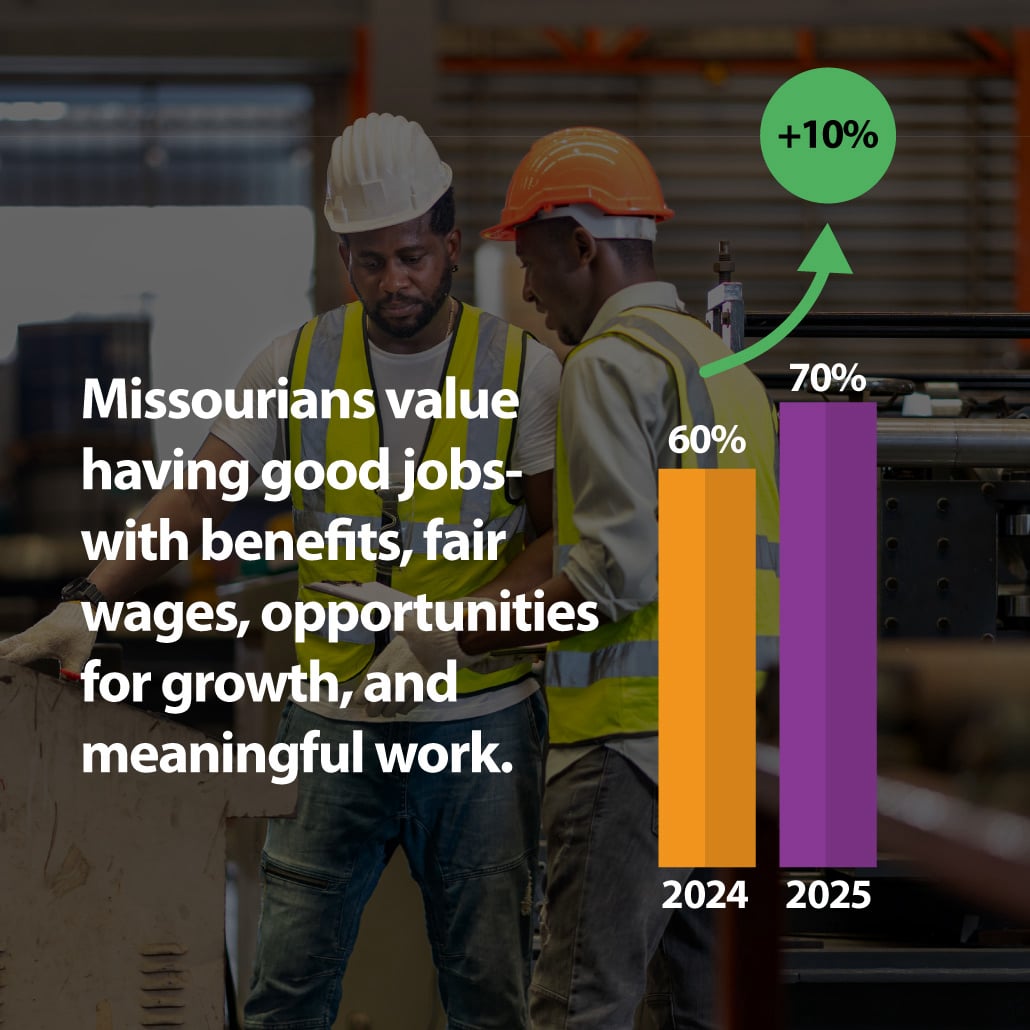
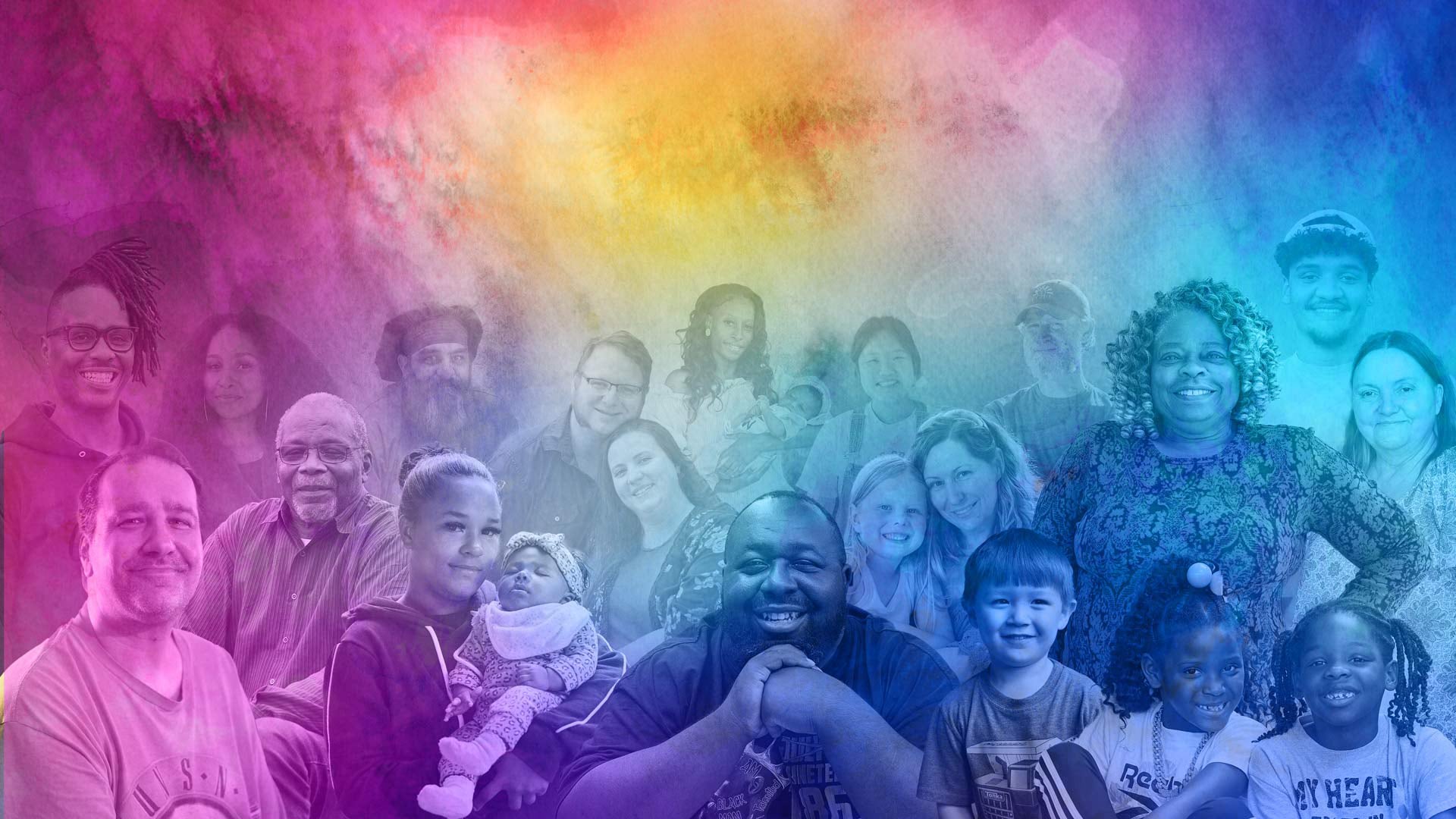
Graphic depicting 10-point increase in how Missourians rank the importance of having a good job (as defined by fair pay, good benefits, opportunities for growth, and meaningful work), in large part due to the efforts of Missouri workers who shared their stories across the state and country.


One of the stories highlighted through this project focused on Missouri Workers Center, which is organizing low-wage workers advocating for fair pay and safe working conditions from their employers. Their story underscores the power of collective action. By organizing people, building coalitions, and pressing for policy changes that address unsafe and exploitative labor practices, they helped pass Prop A. But more importantly, they’ve inspired more people to see workers’ rights as something they should care about too. In Speak Up MO, the Foundation’s annual public opinion poll, we saw a 10-point increase in how Missourians rank the importance of having a good job (as defined by fair pay, good benefits, opportunities for growth, and meaningful work), in large part due to the efforts of Missouri workers who shared their stories across the state and country.



By telling their story through a Solutions Journalism lens, others can see both the challenges they face and the strategies they’re using to build power and create change. It’s an example of how this type of reporting can help communities learn from one another and build momentum for broader efforts.

This storytelling work has also sharpened our own focus. Earlier this year, we refined our long-standing Opportunity Fund, renaming it the Health Equity Fund to better reflect our core mission: ensuring all Missourians have a fair and just opportunity to live their healthiest lives. The stories we've chosen to highlight through the journalism project reflect the type of systemic, community-driven work this fund supports every day.

And this storytelling effort is only the beginning. In the coming months, we’ll host a series of webinars to dive deeper into the themes surfaced by our partners featured in the stories. These conversations will create space for learning, reflecting, and dialogue about how to accelerate solutions across Missouri. 

Because when communities lead and their stories are shared, it opens new possibilities for every Missourian.  

Learn more about Solutions Journalism 

Read about how are partners are driving solutions that are creating a Missouri where we all thrive.  
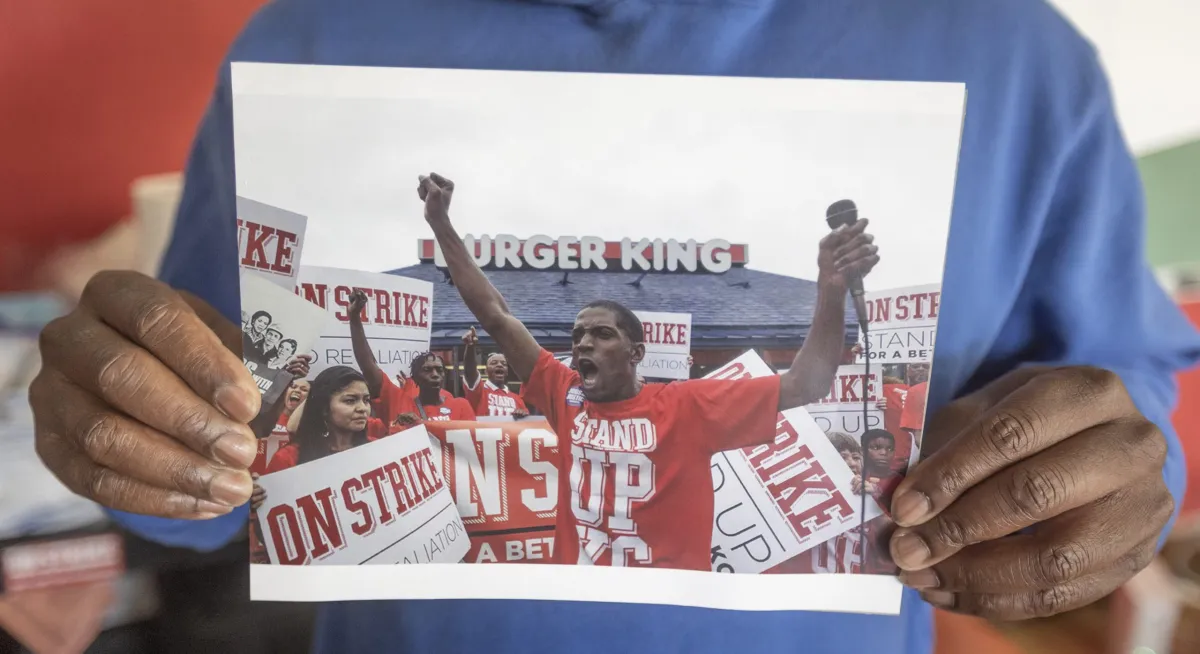
Terrence Wise shows a photograph of his first strike at the Burger King restaurant at 1102 East 47th Street, in 2013, in Kansas City. He was protesting in favor of increasing the minimum wage for low-wage workers. Credit: Jeff Tuttle
Organizers Undaunted, Continue Championing for Working People’s Rights 
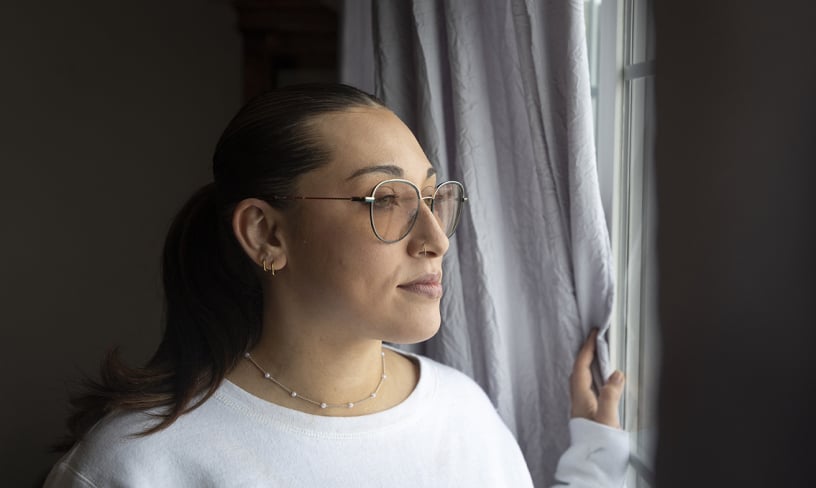
Aidan Bailey, of Lebanon, Missouri, is a client of the Holistic Defense Services program, on Thursday, February 13, 2025. Photo by Jeff Tuttle
Breaking Cycles, Building Futures 
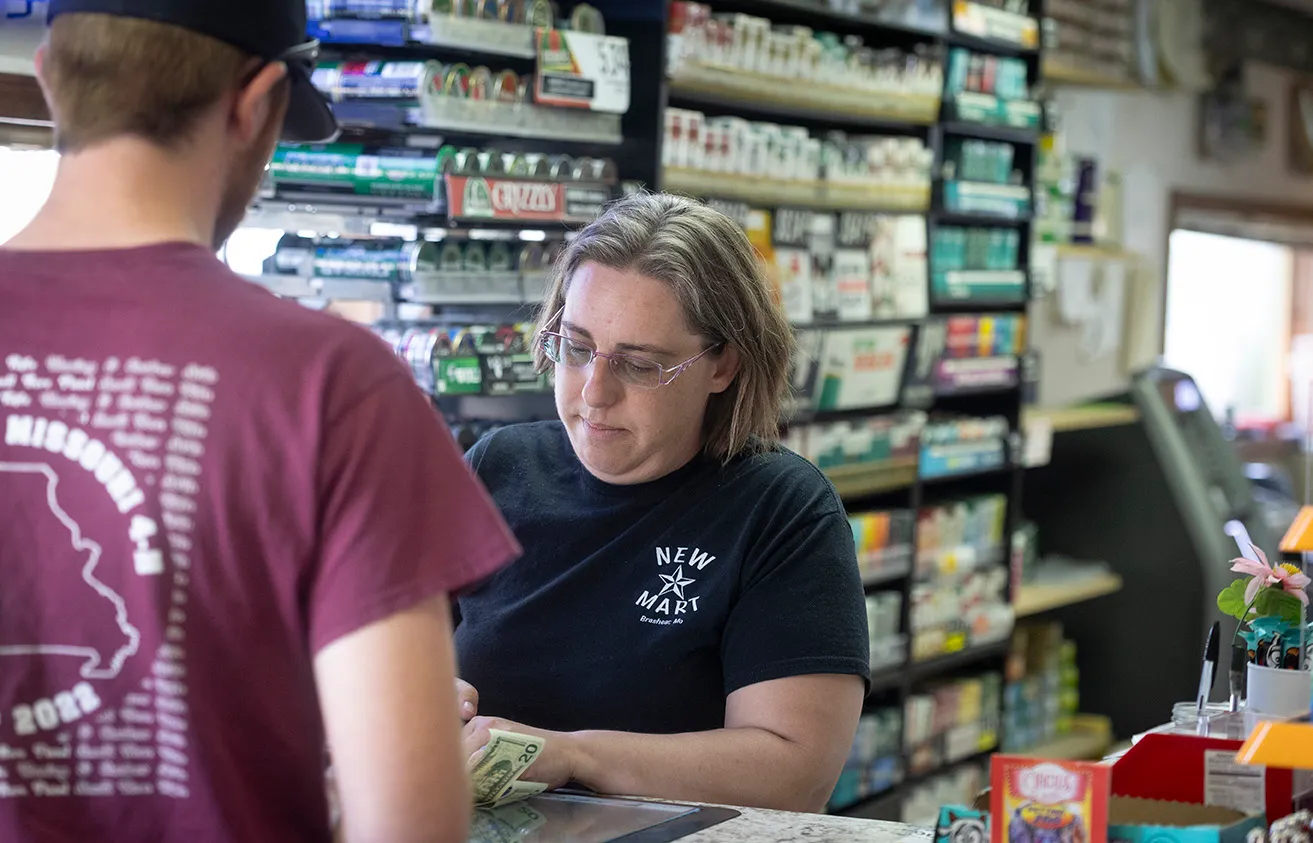
Before finding success in a job at New Star Mart outside Kirksville, Missouri, Tanya Creason experienced her three children being removed from her home. Credit: Jeff Tuttle
Supporting, Not Separating 

CHANGEMAKING NOW

Fall 2025
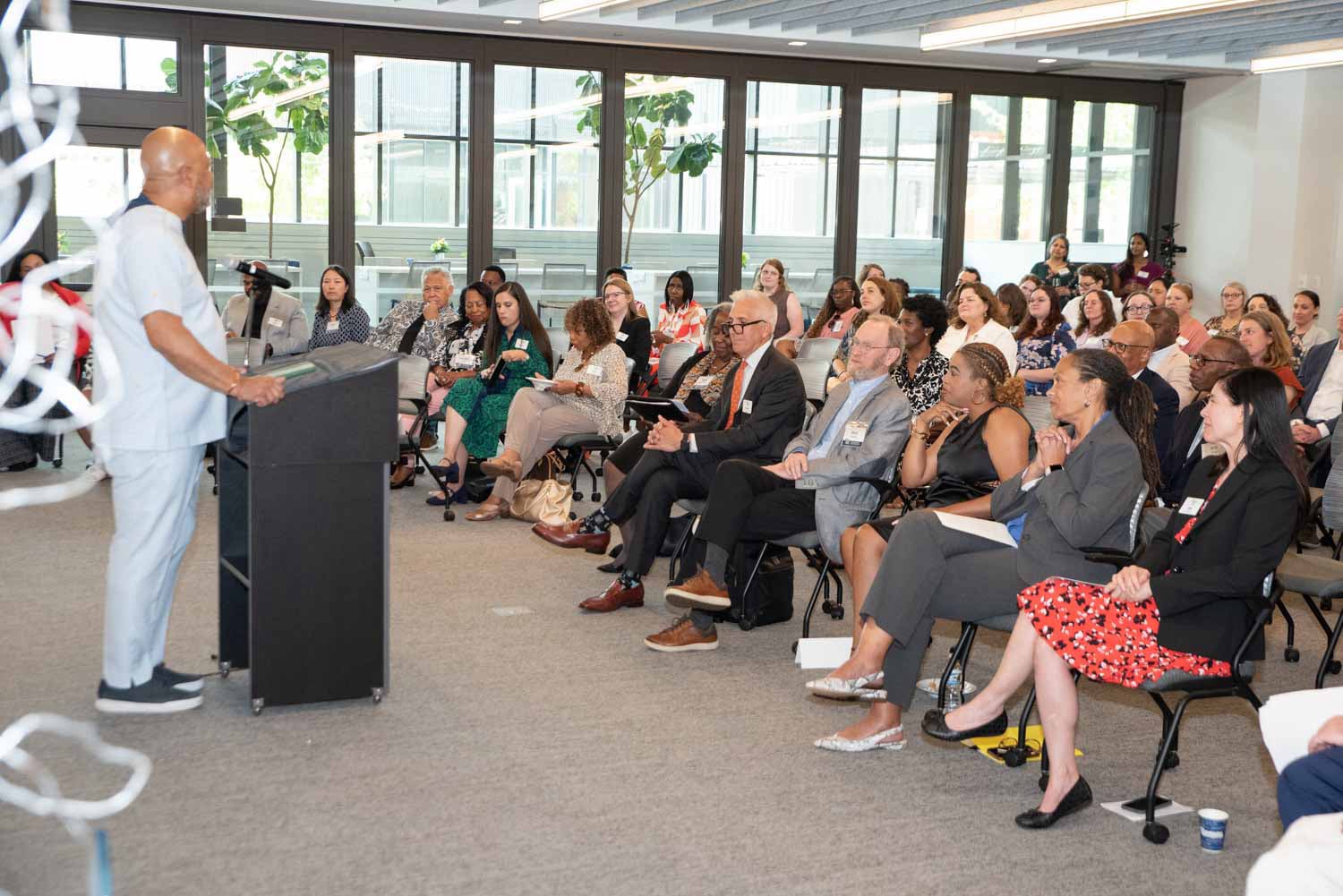
Dr Dwayne Proctor addressing audience
MFH Acknowledges a Quarter-Century of Impact
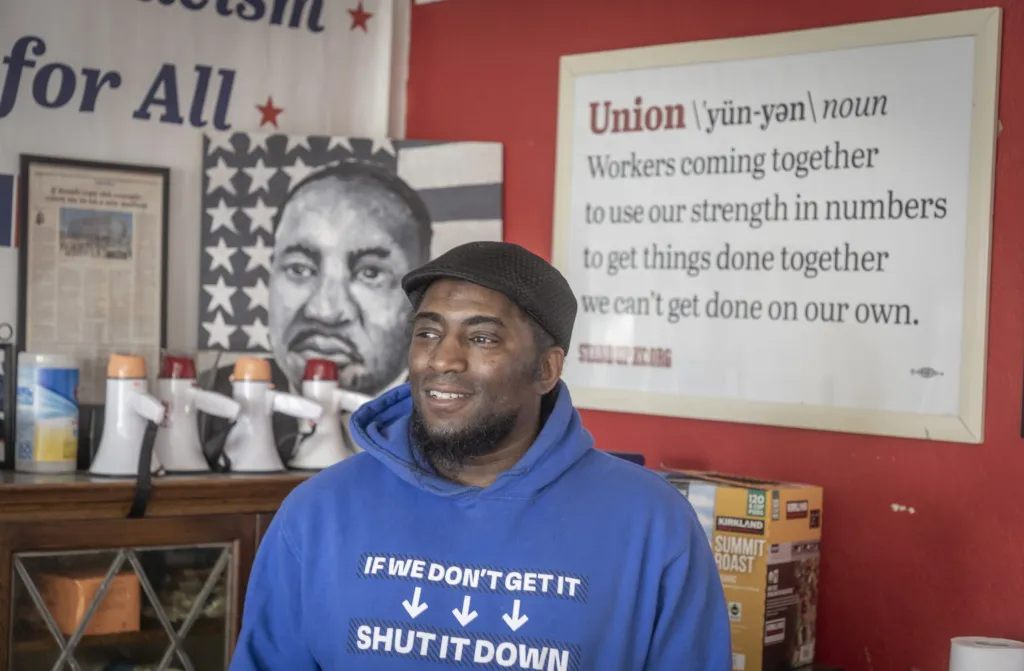
Young man posing in front of union sign, megaphones, and a painting of Martin Luther King, jr
How Solutions Journalism Amplifies Community Change