By Molly Crisp, Senior Communications Strategist
At Missouri Foundation for Health, we listen in many ways, including through our community conversations, learning collaboratives, research, and one-on-one discussions with our partners, to name a few. Speak Up MO, our annual public opinion poll, is another important way we hear directly from Missourians about the issues shaping their health and well-being.
Through focus groups, qualitative discussion boards, and statewide polling, Missourians share their experiences, priorities, and concerns, helping us understand what matters most to people across the state.
What we are hearing is both encouraging and clarifying.
Missourians generally feel positive about their communities. Many describe them as safe, quiet, welcoming, close-knit, and a good place to raise kids. Nine in 10 agree that factors like housing, income, and education can significantly affect a person’s health.
At the same time, cost-of-living pressures dominate concerns. Families point to the rising costs of health care and housing, and to challenges like finding good-paying jobs with benefits. One in four Missourians told us they or someone in their household had been without health insurance in the past year. Nearly one in five have been unable to afford enough food. And these were concerns before cuts to safety net programs like SNAP and Medicaid took effect.
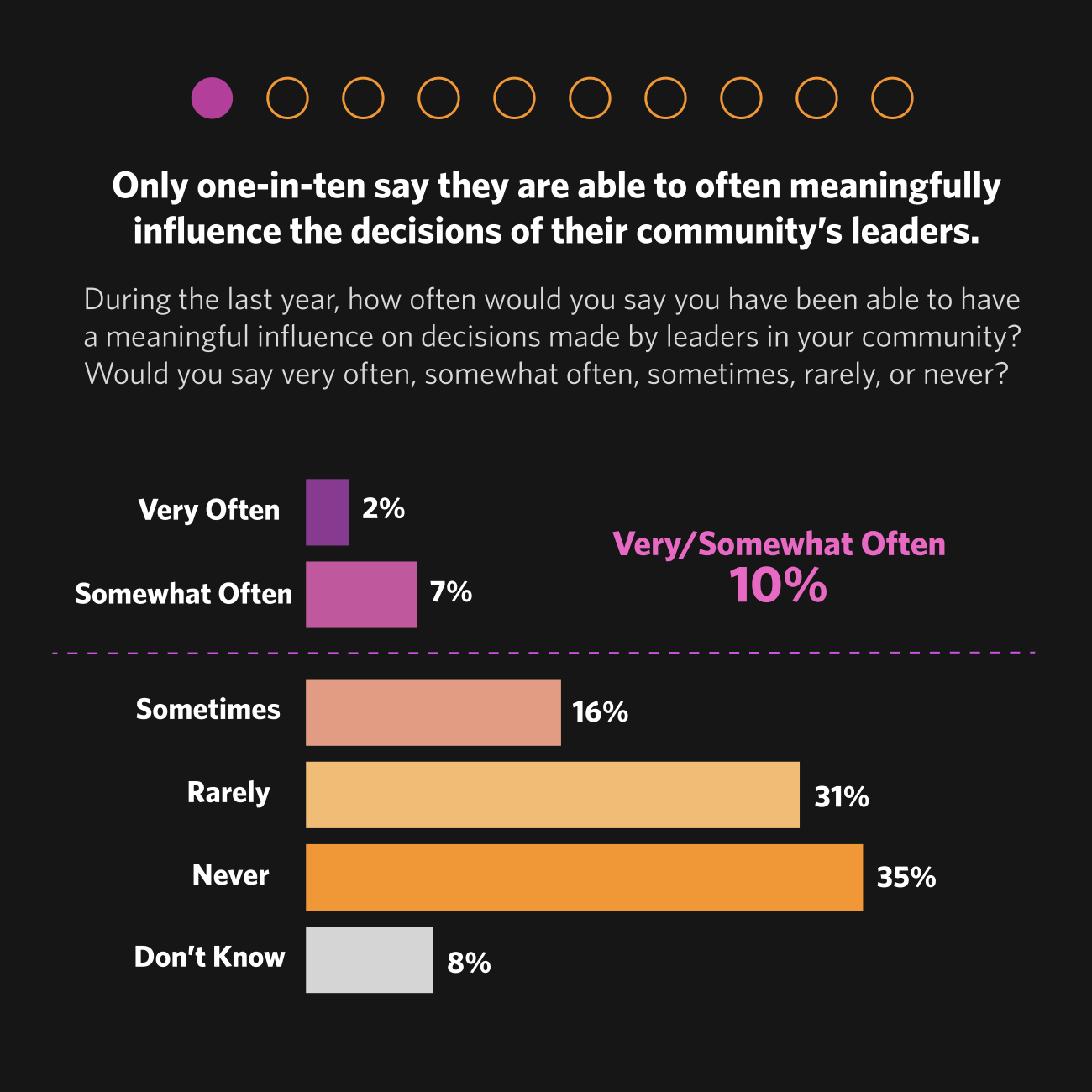
But one finding rises above the rest: Only one in 10 Missourians report that they can often meaningfully influence decisions made by leaders in their community. That includes decisions that impact public budgets for housing policy, school funding, and transportation.
Yet, those same Missourians overwhelmingly believe that volunteering, donating, or sharing resources with neighbors are the most effective ways to improve their communities.
So, what does this tell us? Missourians believe in each other. They want good things for their neighbors. They are willing to put in the work to make their community a place to be proud of. What they are less certain about is whether policymakers, government officials, and decision makers are responsive to what matters to them. Missourians want their voices to shape the decisions that determine opportunity, access, and well-being.
If only one in 10 Missourians feel they can meaningfully influence leaders, then part of our work must be to close that gap.
As the Foundation considers its future work, the insights from Speak Up MO provide some direction. Missourians care deeply about their communities. They understand what makes a community healthy – good jobs, strong schools, affordable and accessible high-quality health care, and safe neighborhoods. They also recognize the social and economic factors that shape health. What many lack is the infrastructure, resources, and support to shape the decisions that affect those conditions.
Across the country, we’re seeing what’s possible when you invest in communities. In Minnesota, $21.8 million invested into organizing and power-building organizations over 10 years, reshaped Minnesota’s budget for the long-term and yielded a $19 billion investment into education, child care, working families, and the environment. In California, sustained investment into communities resulted in over 1,200+ policy changes through Building Healthy Communities, which focused on supporting power-building infrastructure comprised of local, regional, and statewide community-based organizations and grassroots coalitions.
This shows us that when communities are resourced, lasting change becomes possible.
Speak Up MO reminds us that listening is essential. It grounds our work in the everyday realities of people living in Missouri. It surfaces shared priorities, divergent experiences, and reveals opportunities for connection and cross-pollination.
Listening is where change begins.
Supporting communities to have the power to shape what comes next – that is where changemaking happens.
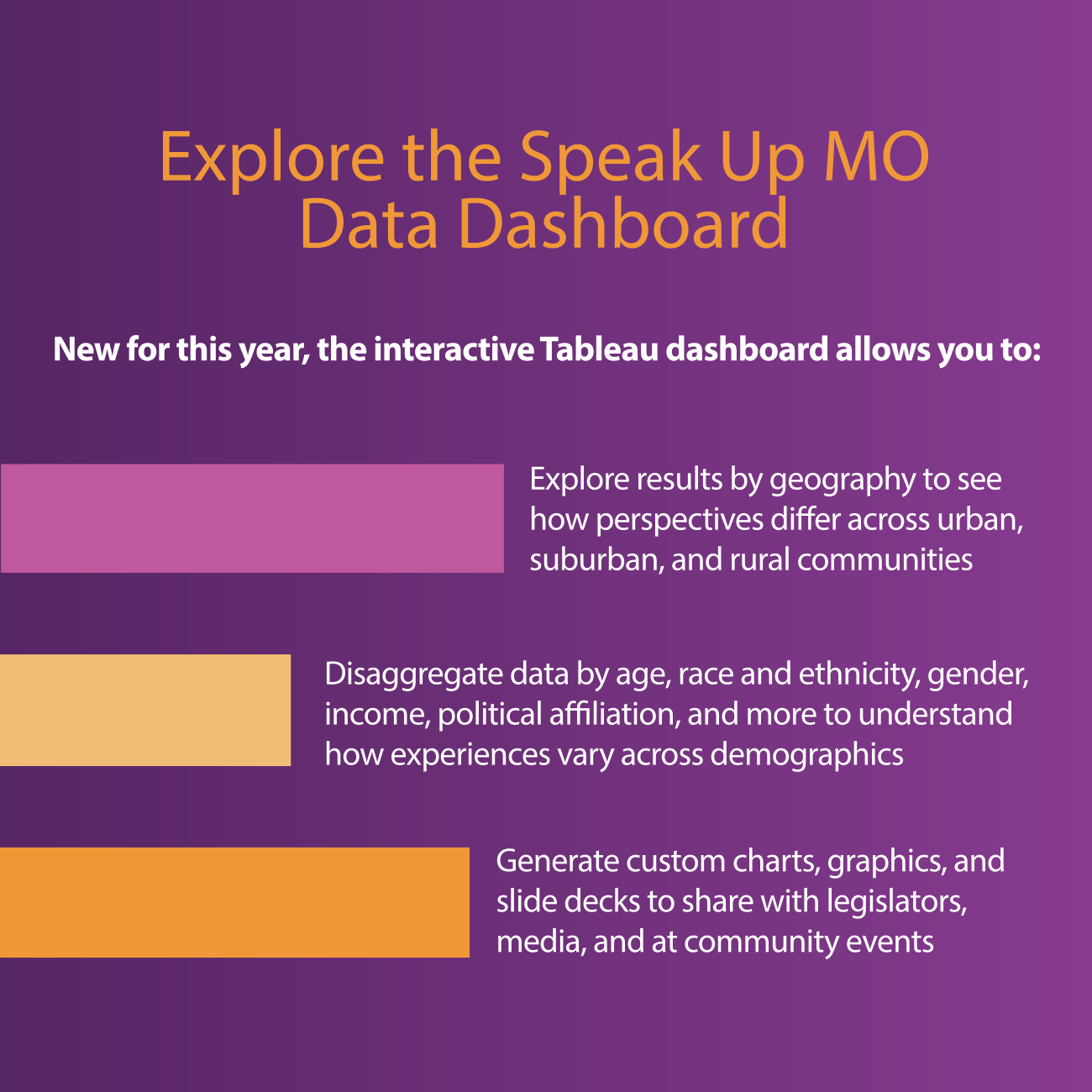
Visit SpeakUpMO.org and explore the data dashboard for yourself.
© 2026 Missouri Foundation for Health