Where the Back Door Was Always Open

Faith Temple Complex

In Missouri’s Bootheel, a church campus is rebuilding a local food system one field, one market table, and one generation at a time.

Faith Temple Complex and Our Community Our Health logos

Organization: Faith Temple Complex / Our Community, Our Health
Location: Pemiscot County, Missouri
Serving: The surrounding community through community activation, backyard gardens, youth training and employment, and affordable access to fresh produce.
Programs: : Community Farm | Produce Market | Health Education | Youth Leadership

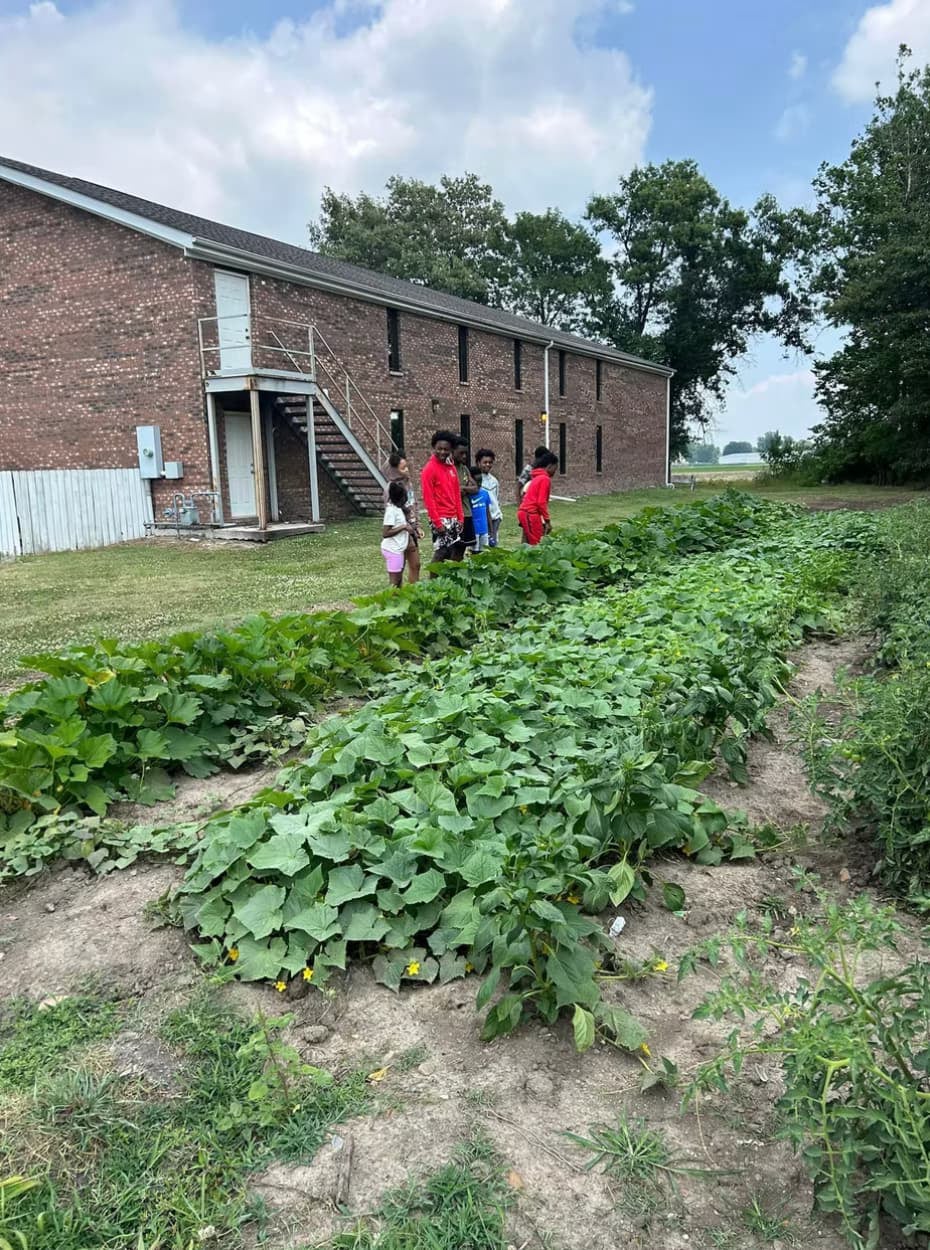
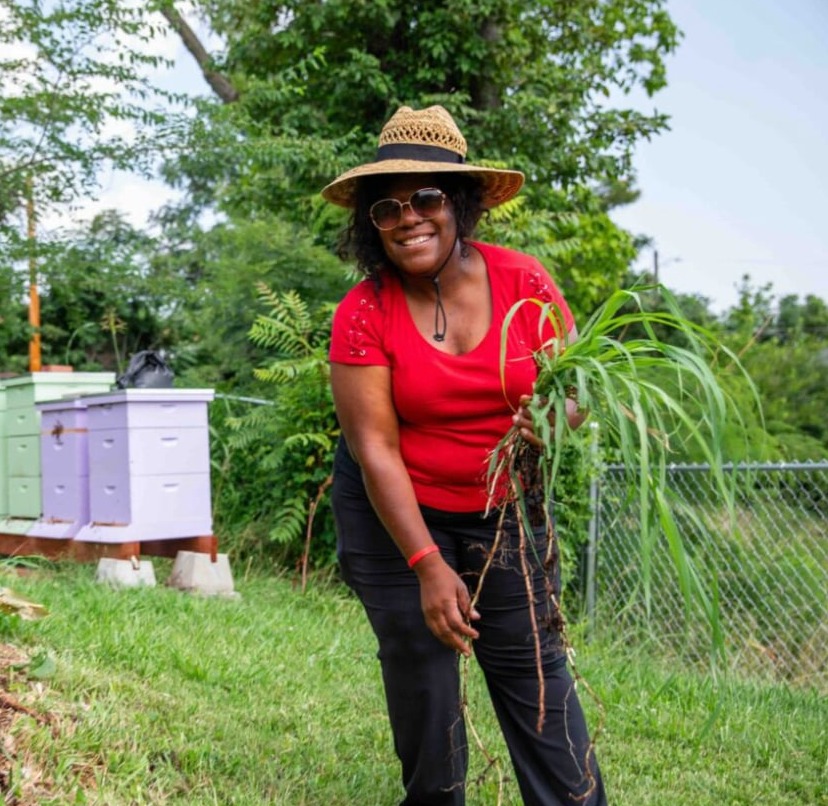
Rows of lush gardens growing outside a brick building with young observers overlooking the progress

Our Community, Our Health

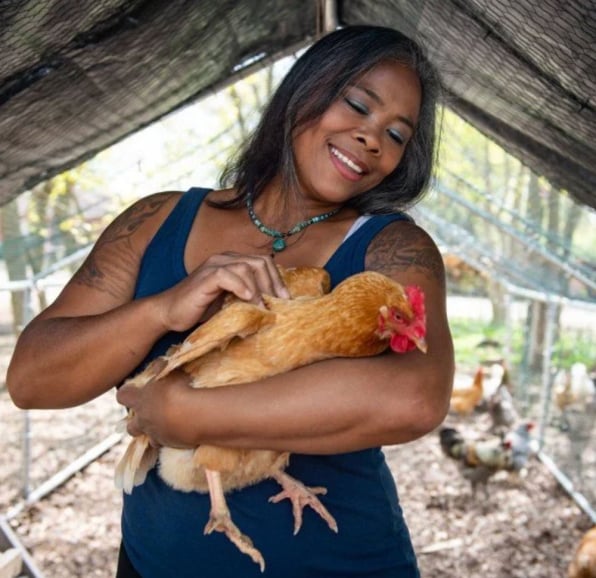
The gravel road where Cora Sanders grew up had only two houses on it, far enough apart that the distance between them felt like open country. Her family lived between towns with their mailing address, phone number, and school address all in different zip codes. In rural Pemiscot County, geography works that way: a patchwork of farms, levees, and towns that blur into each other across the Bootheel of Missouri.

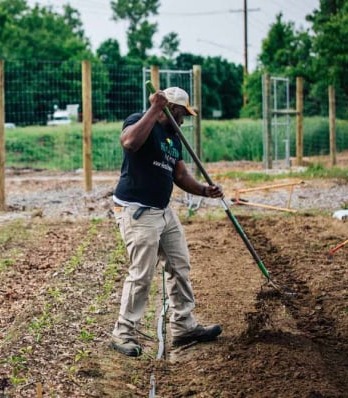
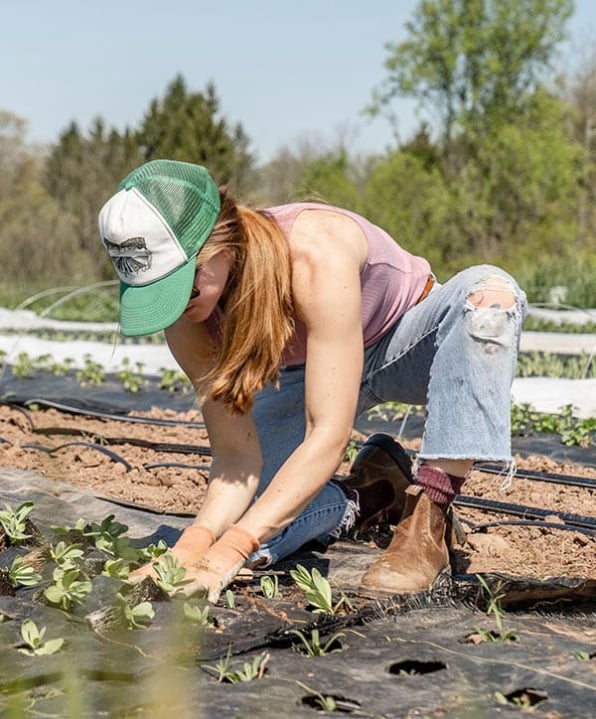
Across this geography, Faith Temple Complex has been steadily building the pieces of a local food ecosystem around a beautiful campus. A community farm grows produce on several acres of land that locals requested as a safe place to play and walk. A community garden invites adults, youth, and elders alike to learn how food grows and how soil, seed, and season connect to everyday life.

Children who may have never planted anything before watch rows of vegetables emerge from the ground they helped prepare. 
“It becomes generational. Kids here understand what happens when you put seeds in the ground.” 

- Cora Sanders, Faith Temple Complex

The next step in that ecosystem is taking shape through a new produce market, named for a dearly departed local resident, Stan–a Servant To All Neighbors. This market moves locally grown produce directly from local growers to neighbors. The idea is simple but powerful: fresh produce grown nearby should be available nearby. Alongside the farm and market, health programming connects food access to broader community well-being. Through workshops and community events, doctors, dietitians, and health educators talk with residents about nutrition, chronic disease prevention, and everyday strategies for maintaining health.  

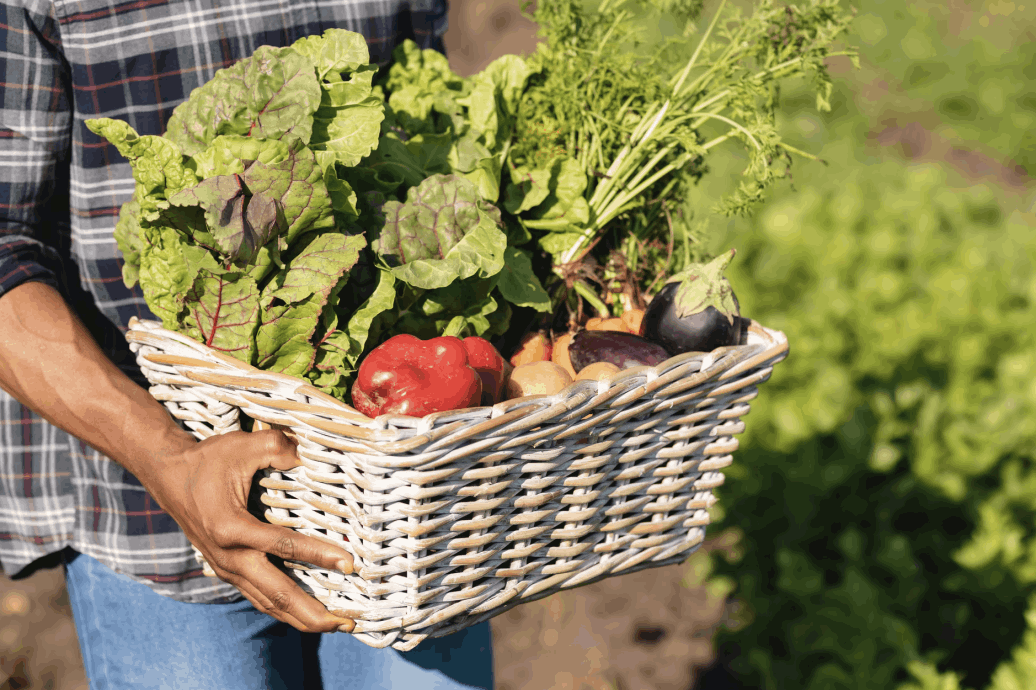
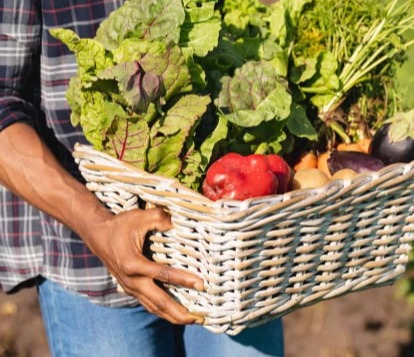
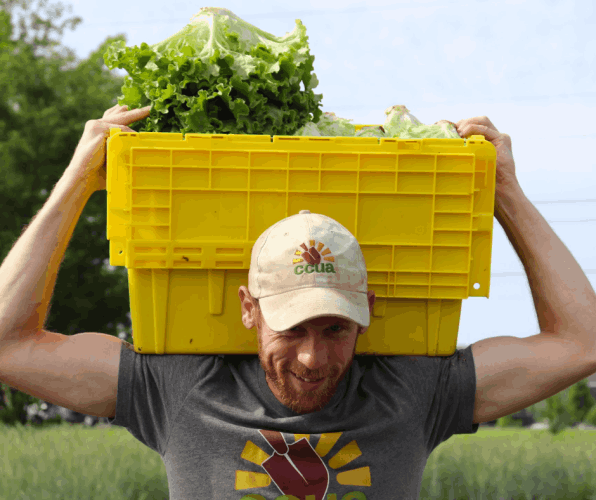
Farmer holding a basket of fresh produce in a field

The annual “Fall Into Healthy Living” event regularly draws hundreds of people from across the region—families, elders, farmers, and local officials—into a shared conversation about what health actually looks like in rural Missouri. The goal is not simply to distribute information. It is to rebuild a culture around food. At the center of that effort is Community Voices in Action, formed to ensure that decisions about food access come directly from residents. The group includes parents, youth, farmers, and caregivers who meet regularly to discuss barriers to food access and to develop ideas for addressing them. Over time, that group has grown steadily. What began as a small circle of trained community leaders has expanded into dozens of residents meeting regularly to shape solutions together. 

Faith Temple Complex, the Background 

In Pemiscot County, Cora’s dad farmed the land. She said, “It was only recently that I came to understand that he was a sharecropper.” An agricultural system in the post-Civil War American South where laborers, predominantly freed Black people and poor whites, worked land owned by someone else in return for a share of the crops produced. For nearly a century, sharecropping defined Southern agriculture and hindered Black economic advancement. The system reflected a multitude of attempts by the white power structure to keep Black workers stagnant, achieving this through intimidation, physical violence, and exploitation. (Sharecropping: Slavery Rerouted, PBS)

For more on the Sharecropper Protest of 1938: Oh Freedom After While (The Zinn Education Project) 

"I wish people would understand how this history still lives today. Our goal is to try to change that.” 

- Cora Sanders, Faith Temple Complex

But the memory that stays with Cora is more recent, from her childhood. It’s about the back door of her family’s kitchen. Next door lived a foster parent who, over the years, cared for dozens of kids. Some stayed a few weeks, some longer. Cora remembers that many of them were hungry. When her mother realized this, she responded the only way she knew how. The kids began slipping through the back door, grabbing the plates that were left for them, and running back through the fence. “My mom would cook chicken, whatever we had, she’d feed them too. I never felt poor, although I know we were, but we always had food.”

By the time she was fifteen, the experience had lodged deep. “I remember thinking: I want to do something so that every child has the opportunity to have food.” At the time, she did not have the language for systems change or food policy. She had only the clarity of a teenager watching hungry kids move quietly through a kitchen doorway. “I didn’t know the right words,” she says now. “I just knew something wasn’t right.”

Years later, Cora left the Bootheel for college, eventually earning a business degree and then an MBA. She built a career in a job that gave her financial stability and the ability to support causes she believed in. But the deeper motivation never disappeared. Over time, the realization that had begun in her teenage years continued to grow sharper. The question was no longer simply about individual acts of generosity. It was about the systems that determined whether people could access healthy food in the first place.

“It became very personal to me. How can someone in the United States have a neighbor who is not eating nutritious food?”

- Cora Sanders, Faith Temple Complex

That question eventually led her back to the Bootheel, and into work that would take shape through Faith Temple Complex and its food systems initiative, Our Community, Our Health. Today, the work unfolds across multiple programs, but the throughline remains the same: rebuilding the local systems that make healthy food accessible, visible, and normal again.

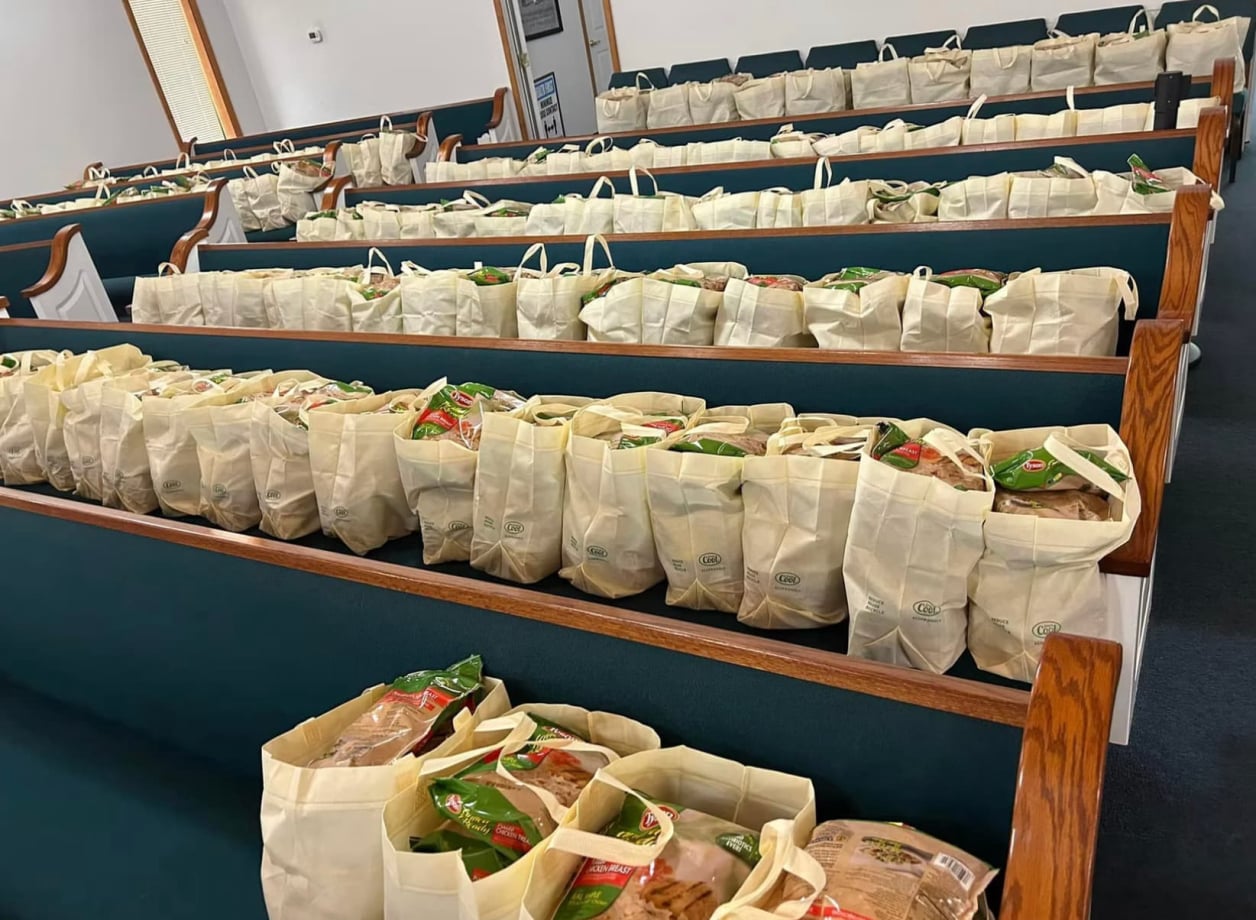
Rows of pews filled with tote bags of fresh produce and food to give away

The Impact

The results are beginning to appear in both visible and subtle ways. Farmers who had stopped growing certain crops are beginning to reconsider. Some have returned land to production after seeing renewed interest in local food. “One farmer told us he was going to get part of his land back. He said, ‘I didn’t think anyone was interested anymore.’” For Cora, moments like that signal a deeper shift. “We’ve done a lot of service lines, we’ve given away food, and that’s important.” But what matters more, she says, is the slower work happening underneath those programs.

“To change something systemically so people can do it themselves, that’s what lives in my heart and spirit.” 

- Cora Sanders, Faith Temple Complex

The work in Pemiscot County is still unfolding. Farms are growing season by season. STAN’s produce market is rising beam by beam. Community members continue meeting, debating, and planning. None of it moves quickly. “It takes a very long time to do anything that brings change,” she says. But she is not discouraged by the pace. In fact, the slow accumulation of trust may be the most important part of the project. Faith groups are leaning in. Farmers are offering equipment and support. Neighbors who once assumed food access problems were permanent are beginning to see other possibilities. For Cora, the measure of success is not simply how many meals are distributed or how many programs operate on a church campus. It is something quieter. “If I leave tomorrow,” she says, “I want the policies and the structures in place so the work keeps going.” The back door that once admitted those hungry kids from next door is being widened into something larger, an accessible community food system that belongs to the people who live there. 

And like the warm kitchen that shaped Cora's childhood, it all begins with a simple noticing. No neighbor should ever have to go hungry in these United States.

Faith Temple Complex and Our Community Our Health logos


Dig In
➔ Get In Touch
➔ Visit Us

Explore
➔ Website
➔ Projects
➔ Facebook 

CHANGEMAKING NOW

Fall 2026