Rustic Roots Sanctuary
A farm rewrites the story of how a community can grow when local people decide what they need.
Organization: Rustic Roots Sanctuary
Location: Spanish Lake, Missouri
Serving: The surrounding community through urban farming, programming for elders and young families, connection with nature and wellness retreats.
Programs: Urban Farming | Community Food Access | Environmental Justice | Community Healing
When Janett Lewis was deciding where to build her life, St. Louis wasn’t an obvious choice. She’d spent years in California, where farmers’ markets dotted every neighborhood and fresh food was something you could walk down the street to buy. The rhythm of her daily life was shaped by that access: fruit trees in backyards, produce stands on corners, and grocery stores that felt like extensions of the landscape rather than distant supply chains. Then she moved to Spanish Lake, Missouri.
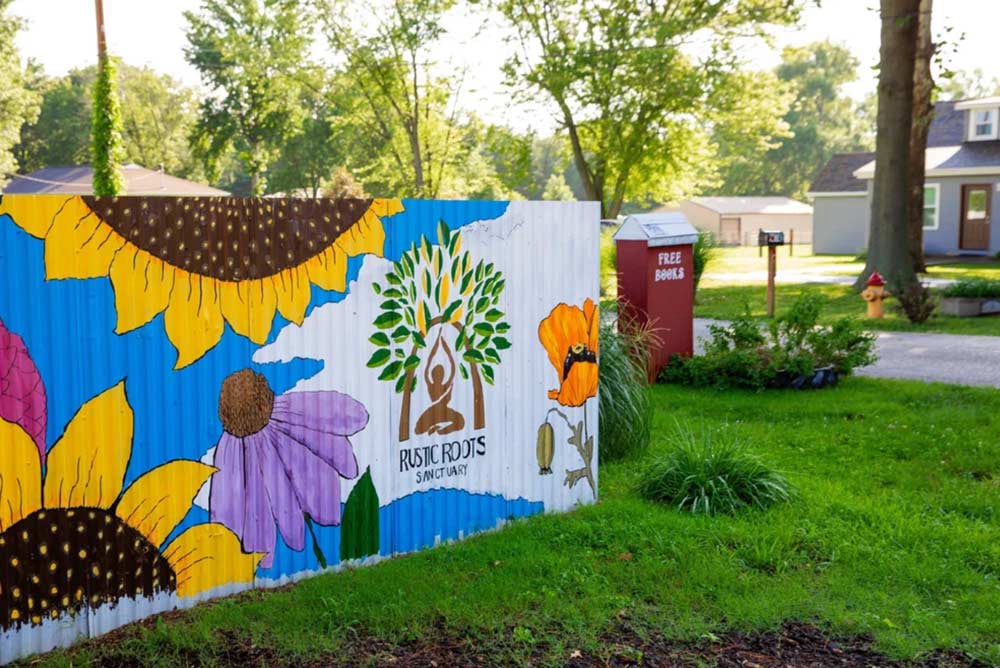
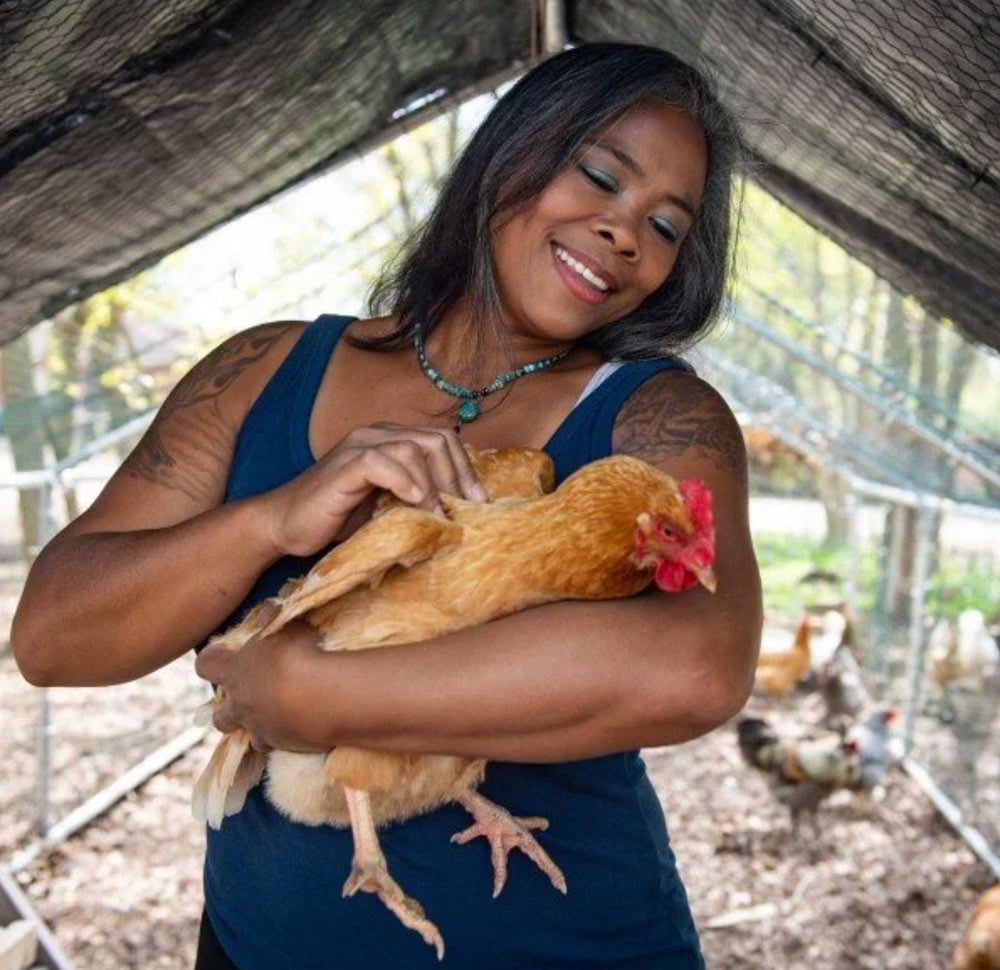
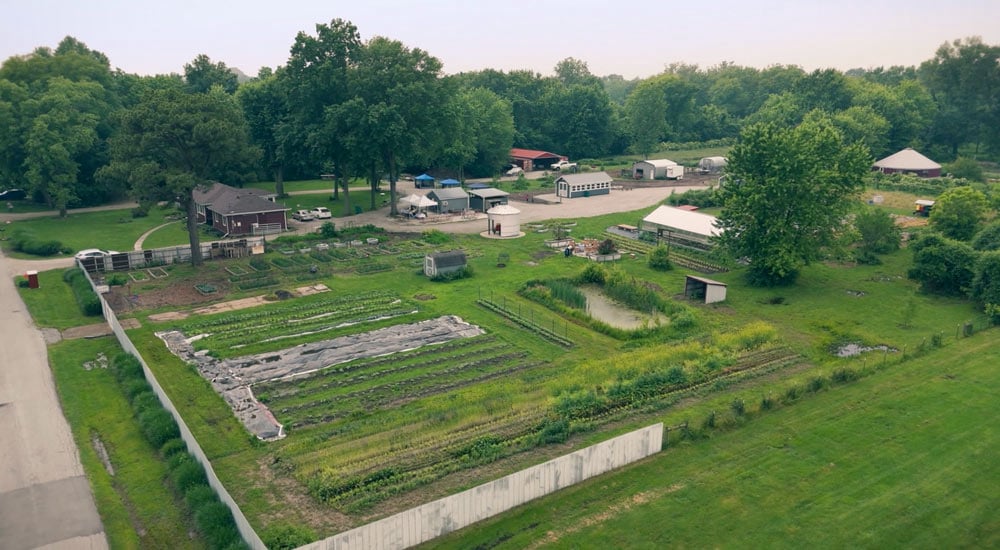
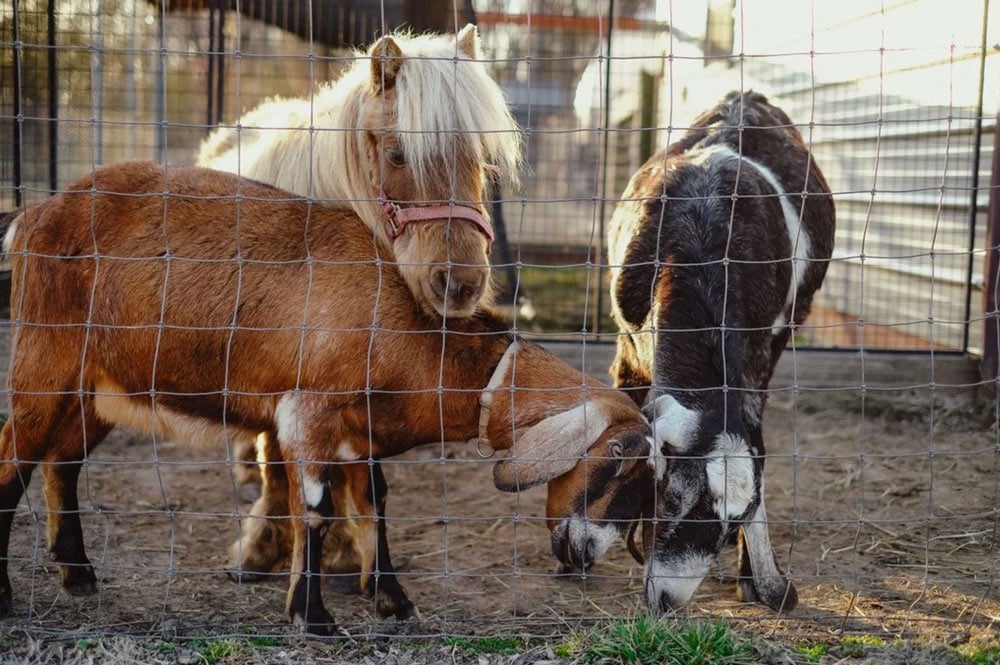
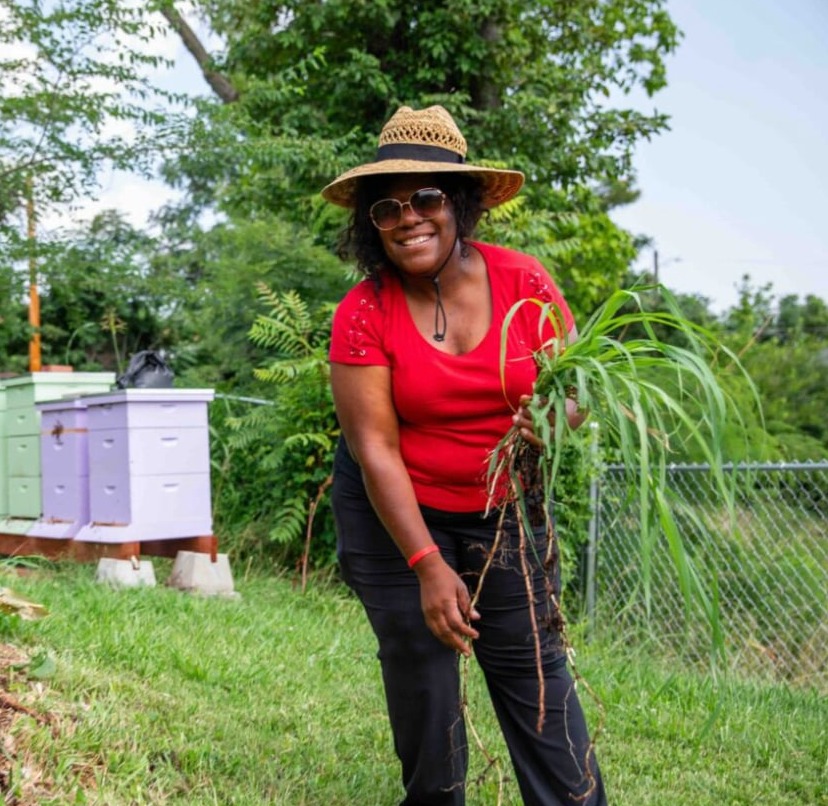
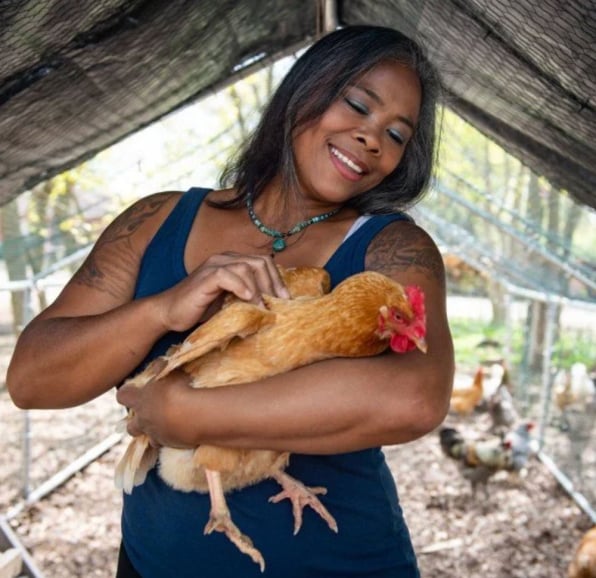
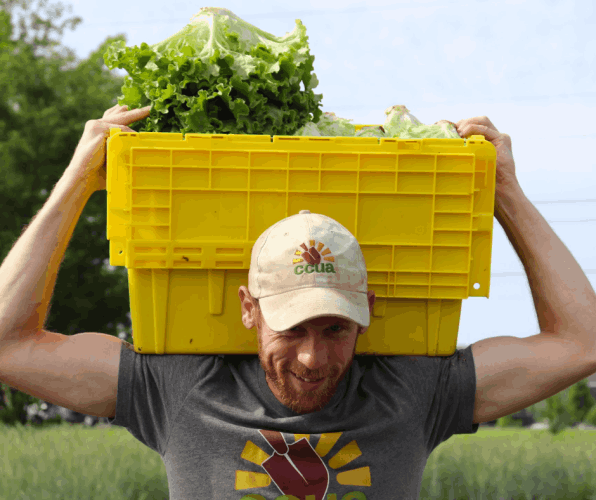
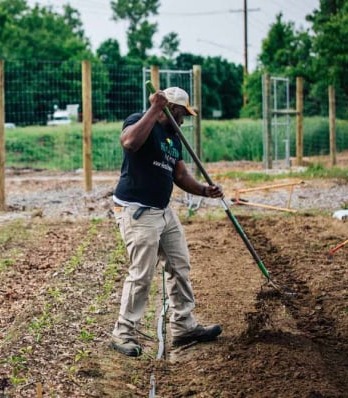
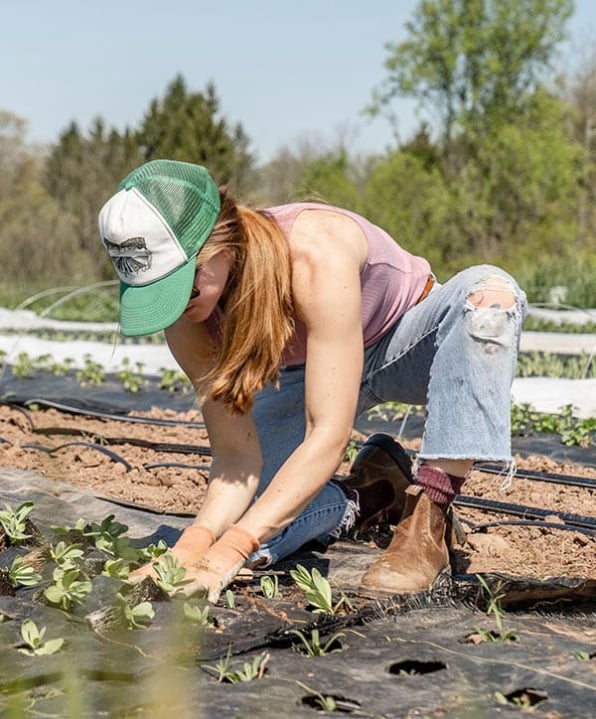
There, she founded an organization called Rustic Roots Sanctuary. Her 16-acre farm — producing thousands of pounds of donated produce per year — focuses on food justice, community wellness, and sustainability. Their agricultural approach centers on regenerative practices, with the Sanctuary operating as a micro food hub that grows organic food using sustainable methods. They also offer restorative nature immersion retreats for women, family campouts, workshops designed to heal trauma through nature, and more. Their educational and donation-based programming includes youth engagement, senior programs, and specialized training, such as a beekeeping mentorship. They’re also the hosts of the Spanish Lake Farmers Market and other community-building events. The farm has become an intersectional space where food, community, and environmental awareness intersect. Visitors arriving at the property are greeted by more than rows of vegetables. Goats graze in nearby pastures, chickens wander, and families come to sightsee, volunteer, or to simply breathe in a place that feels calmer than the streets beyond the farm’s boundaries.
Rustic Roots is now entering a new phase of growth. Two major infrastructure projects are underway, including a farm-based harvest hub and a small community grocery space that will expand access to locally grown food.
When Janett first moved to Spanish Lake, she realized she’d have an hour-long round trip to access any decent food, and it galvanized her into action.
“I held a community meeting and asked 30 people if they’d help me make a community garden. Everyone said yes.”
– Janett Lewis, Founding Director of Rustic Roots Sanctuary
What began as a small garden quickly took on a life of its own. The original three-and-a-half acres slowly expanded into a sixteen-acre regenerative farm. “We went from five hundred pounds of tomatoes to almost nineteen thousand pounds of food in a year.” Her next goal is bigger, “I want to hit 50,000 pounds — that’s when I’ll feel accomplished.”
Spanish Lake sits inside a complex web of disinvestment that has shaped the region for decades. Grocery stores have closed, public transportation is limited and two stores, Aldi and Schnucks, now serve roughly 18,000 residents, many of whom can’t get there. When the last major grocery chain closed several years ago, prices in the remaining stores rose almost immediately. Families stretch meals with processed foods. Seniors make long trips to buy groceries. Children grow up assuming that healthy food exists somewhere else.
For Janett, those conditions required naming systems, not geography. She doesn’t call it a food desert, but a food apartheid.
“You can’t fix conditions without telling the truth; COVID showed us that. Black people are dying at higher rates due to pre-existing disparities. Pretending nothing is happening gets us nowhere.”
– Janett Lewis, Founding Director of Rustic Roots Sanctuary
What Rustic Roots has created is way more than a farm; it’s also a place where people rediscover a sense of belonging to land and community at the same time. Families bring their children to visit the animals. Volunteers help harvest vegetables. Seniors receive fresh produce grown only a few miles from their homes. Visitors from across the region walk through the gardens and find themselves lingering longer than expected; even people who arrive stressed or skeptical often leave differently.
“People come in tense, and by the time they’ve walked through the farm and seen the goats and the trees, something shifts.”
– Janett Lewis, Founding Director of Rustic Roots Sanctuary
Rustic Roots has become somewhat of a sacred “third place”— somewhere free, outside of work and home where people can gather, rest, and reconnect with each other. Janett knows that long-term stability will require a culmination of community support, storytelling, and individual donors who understand the deeper purpose of the work. Because for her, the farm represents more than an agricultural project; it is an act of stewardship. Standing in the fields one afternoon, she describes the feeling that comes when everything aligns: the land producing food, the community gathering together, the sense that years of work have begun to take root. “I feel lighter and more grounded at the same time,” she says. “If I die tomorrow, I’ll know I put everything on the table. I am the steward of this land. When the systems collapse, you will still have a tomato in your backyard. Our intention was to help heal trauma in nature and have people experience what it feels like to belong. We did that; it's not an accident.”
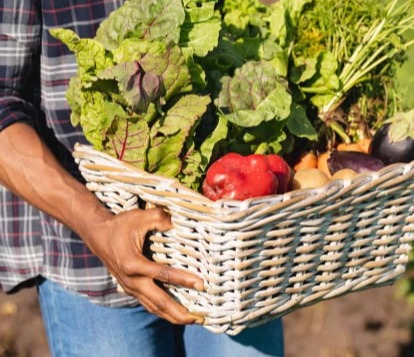
A young parent who receives produce shows the impact of this place best: "I am so grateful to have had the opportunity to participate in such a program. My kids really enjoyed the routine walk to pick up our share bag.”
“As a parent, I love being able to provide farm-to-table meals and try things we otherwise wouldn’t have. We’re inspired to start our own small family garden. We are so blessed to have Rustic Roots Sanctuary in our community."
– a community member who gets food from Rustic Roots