Organization: Heru Urban Farming
Location: St. Louis, Missouri
Serving: The surrounding community through urban farming and educational programming.
Programs: Urban Agriculture | Youth Training | Fresh-Food Access | Local Food Economy
Heru Urban Farming
Feeding neighborhoods, training young growers, and rebuilding a local food system from the ground up.
Organization: Heru Urban Farming
Location: St. Louis, Missouri
Serving: The surrounding community through urban farming and educational programming.
Programs: Urban Agriculture | Youth Training | Fresh-Food Access | Local Food Economy
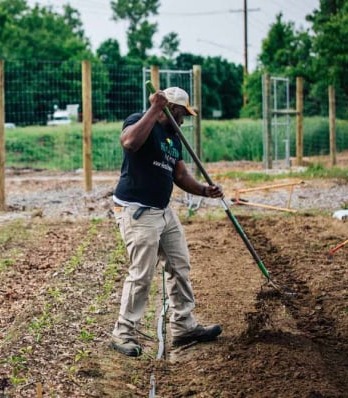
Tyrean "Heru" Lewis, a 5th-generation farmer and former educator, sat on his porch one day in the summer of 2017 and looked at the vacant lot opposite. Instead of seeing the swirling trash and neglect, he imagined the possibility. What would it look like, he wondered, if food were growing there?
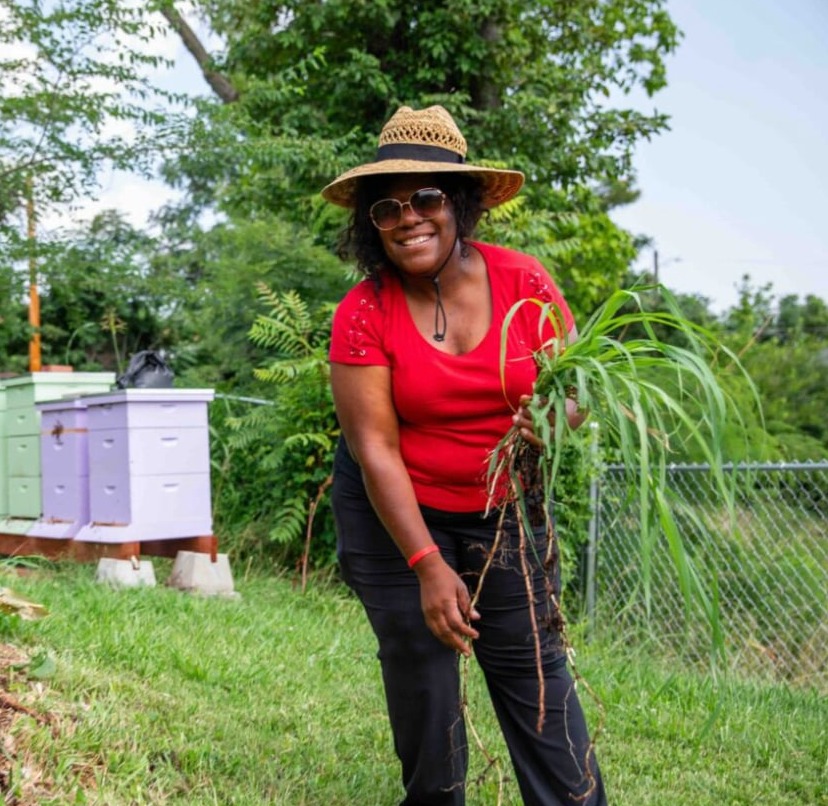
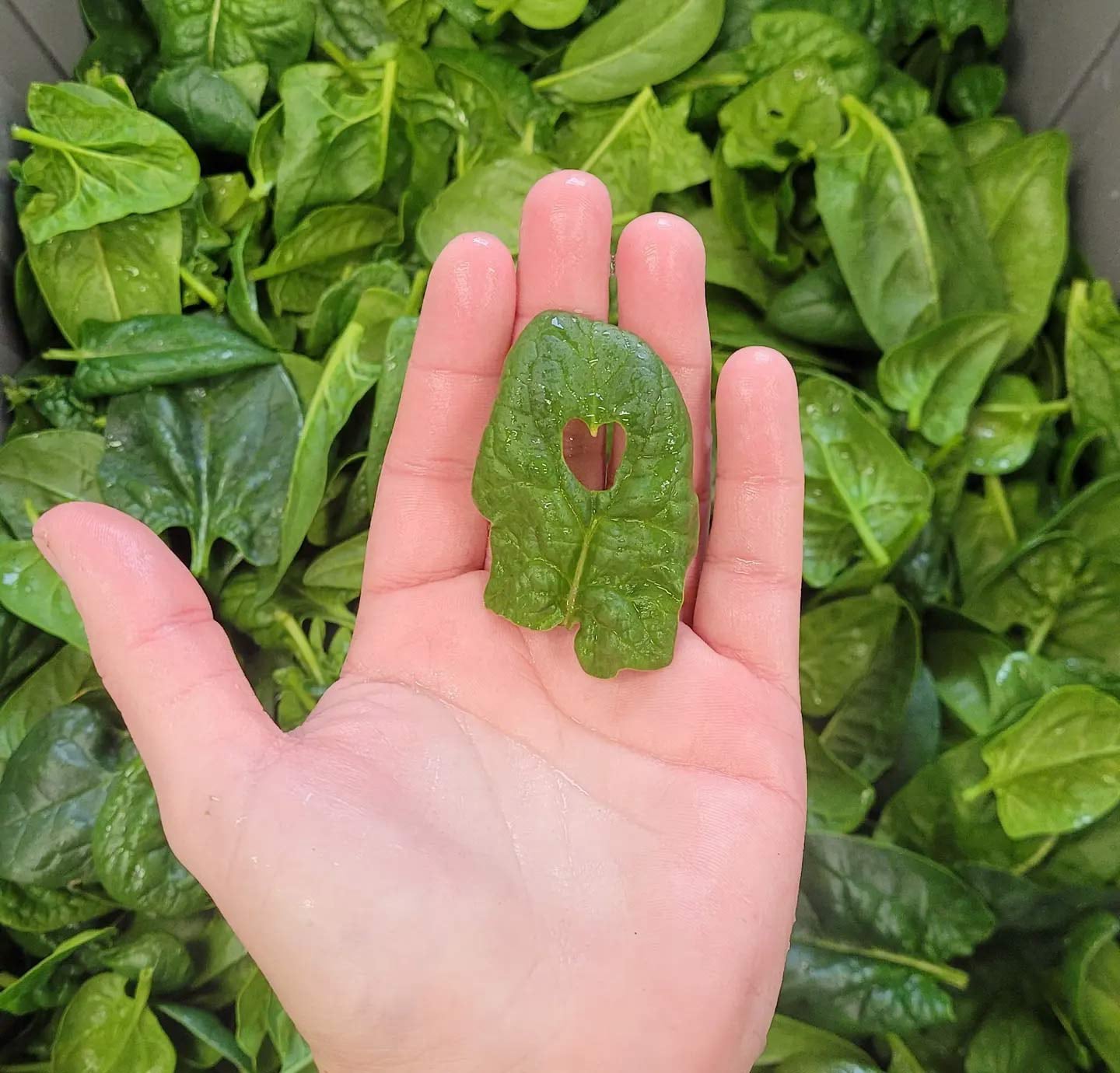
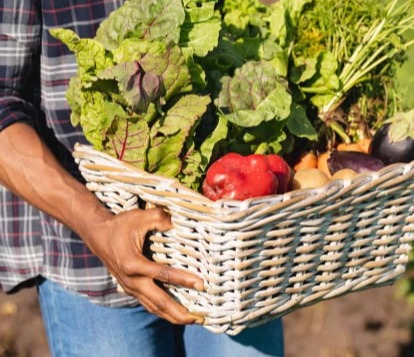
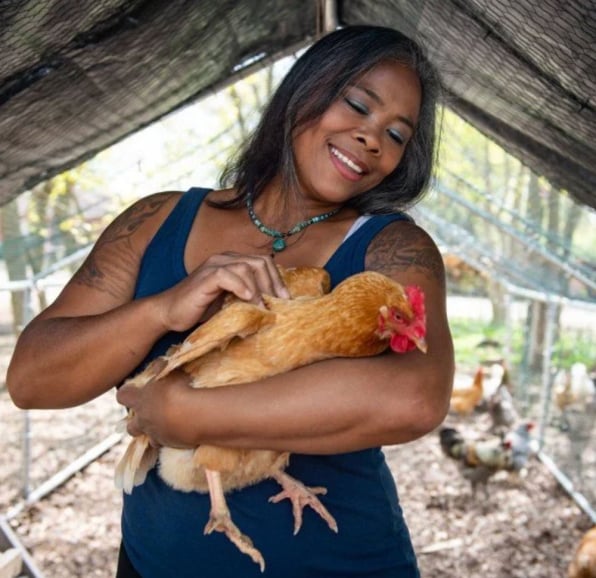
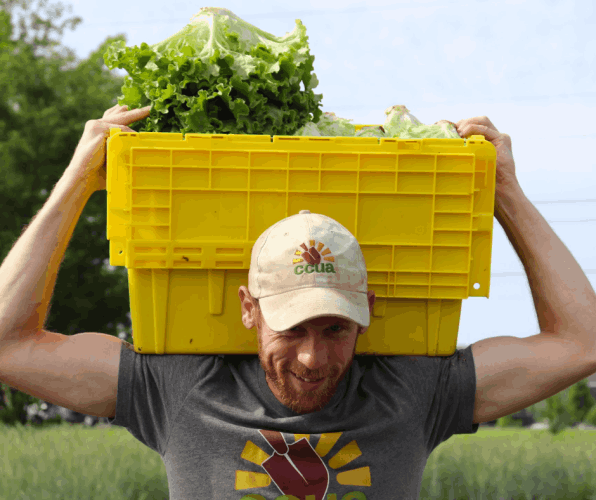
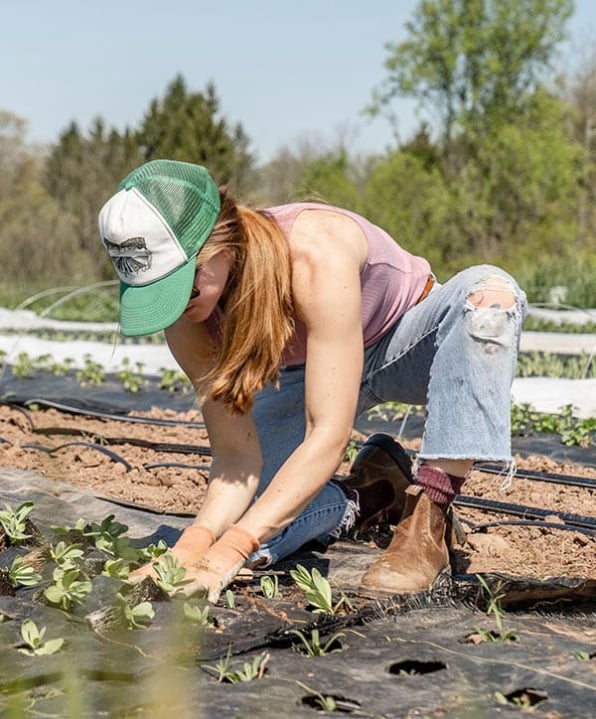
Heru Urban Farming is a St. Louis-based organization that combats food apartheid by transforming vacant lots into sustainable, organic, non-GMO gardens. Heru operates a local food ecosystem rooted in both agriculture and education, growing a range of seasonal produce, including collard greens, okra, leafy vegetables, herbs, and multiple varieties of watermelon, many of which reflect the cultural food traditions of the communities the organization serves. Some of the harvest moves directly to residents through farmers’ markets and neighborhood sales, while other crops travel through wholesale relationships with chefs and restaurants that value locally grown ingredients. In an unexpected twist that reflects the diverse nature of urban farming markets, the organization also supplies produce to the St. Louis Zoo, where vegetables grown in city soil become part of the diets of exotic animals living just a few miles away.
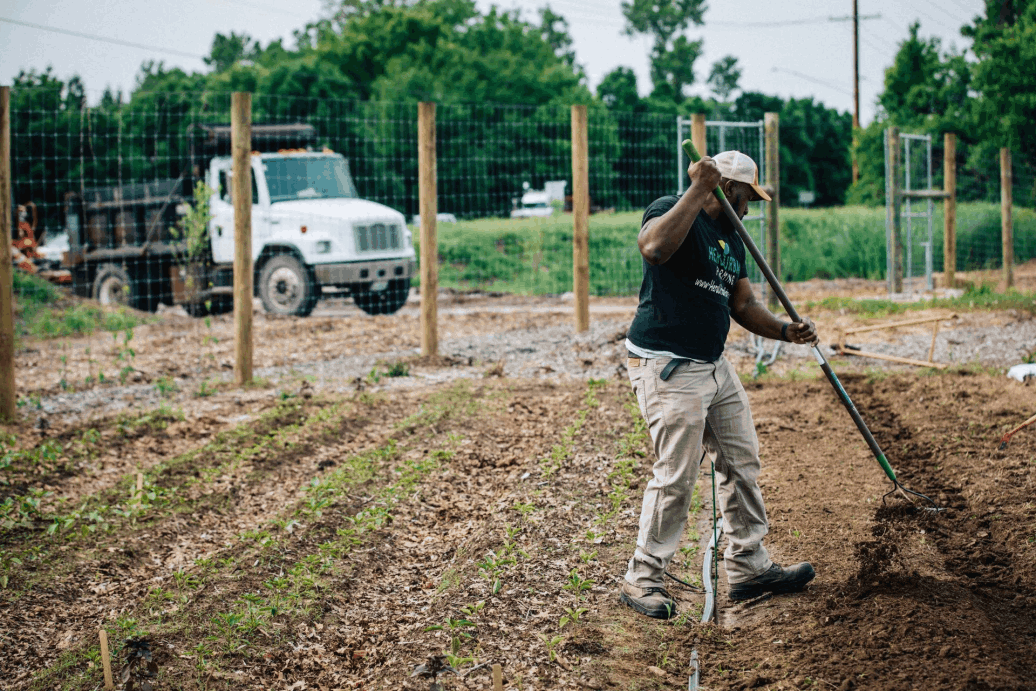
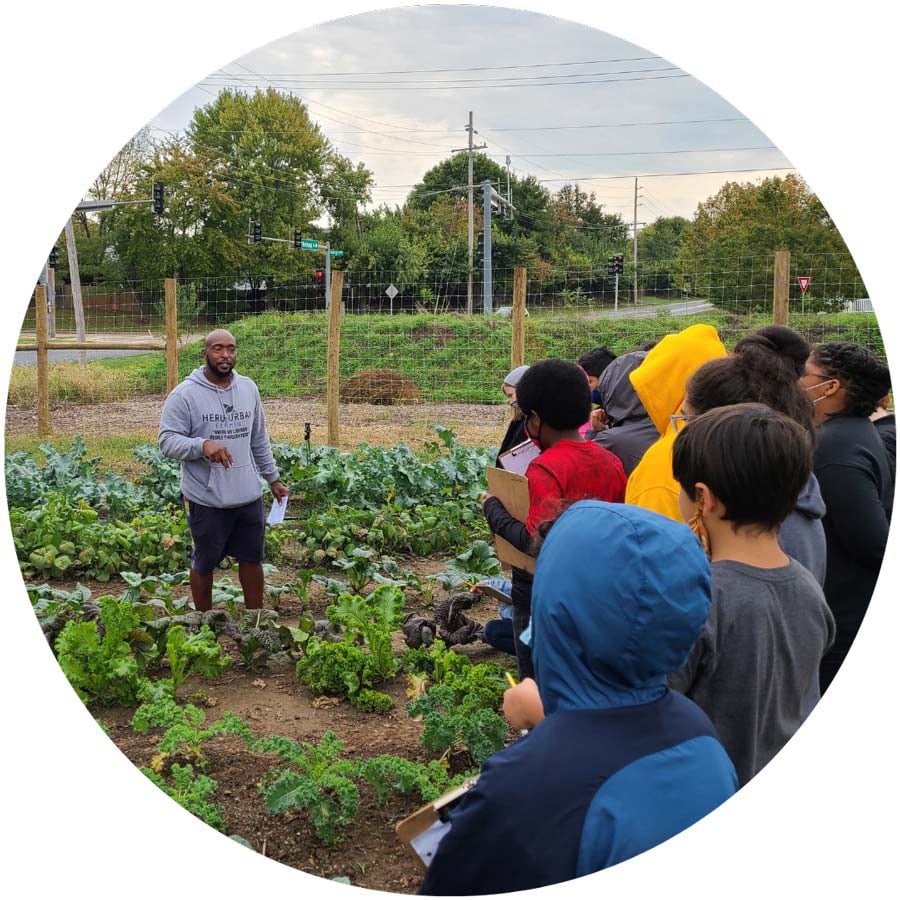
Alongside the production and sale of food runs an equally important lane of work focused on education. Heru’s programs introduce people to the practical and cultural dimensions of agriculture, teaching participants how food grows while also tracing the histories of seeds and crops that have traveled across continents through migration, trade, enslavement, and cultural exchange. Lessons about soil health and planting techniques often unfold alongside discussions of nutrition and food traditions, helping participants see agriculture not merely as a technical skill but as part of a broader story about community, resilience, and cultural memory.
Heru places particular emphasis on young people, offering opportunities for youth to learn farming skills while exploring pathways into food entrepreneurship. By involving the next generation directly in the work of growing and distributing food, the programs aim to build a pipeline of future farmers, educators, and community leaders who will carry the work forward long after the current generation steps back.
Farming has been woven into Heru’s family for generations, although for much of his life it had lived gently in the background, a lineage that stretched through Texas, Oklahoma, and Alabama but seemed far removed from the rhythms of his city life. His ancestors had farmed long before agriculture became a topic of policy reports or nonprofit initiatives. His great-grandmother kept a garden of tomatoes, cabbage, and collards until she was nearly a century old.
He didn’t imagine that those memories might shape his own future, but as he got older, the absence of fresh food in his neighborhood began to stand out. Grocery stores were scarce and convenience stores or gas stations filled the gaps. The kinds of vegetables he remembered from family gardens were difficult to find and eventually the gap between memory and reality became too difficult to ignore.
“I just started growing food in my backyard in buckets. It was personal to me because it was like, man, I ain’t got this in my neighborhood. I need to do something about it. I’m big on manifestation.”
- Heru Lewis, Founding Director of Heru Urban Farming
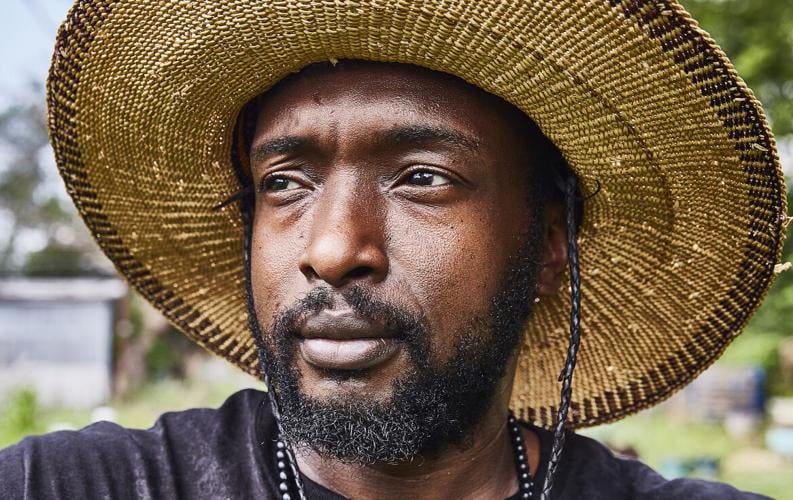
It took a while to gain the trust of the community. After the first year, a neighbor asked him, “Do you notice something about this neighborhood these days? People have started talking to each other a little more.” That realization changed the way Heru understood the project. What had begun as an effort to grow vegetables was also becoming a way to rebuild the everyday connections that give neighborhoods their sense of life and continuity. The garden was producing food, but it was also growing community.
In many ways, the work of Heru Urban Farming fits within a broader conversation about food access in American cities, particularly in neighborhoods where access to fresh food has long been limited.
“I call it food apartheid because it’s deliberately done. It’s not something that just happened.”
- Heru Lewis, Founding Director of Heru Urban Farming
Heru is building alternatives that demonstrate what a food system might look like when it grows directly from community knowledge and participation. Urban farms, community gardens, youth training programs, and neighborhood markets together form a visible reminder that fresh food does not have to travel thousands of miles or appear only in affluent districts. It can grow within the same neighborhoods where families live, work, and gather. The process of rebuilding that system requires patience, particularly in a state where trust is often earned slowly.
“Missouri is the Show Me State. Trust is low. Show me you're here to help. Show me you’re not gonna disappear in two years. The “show” might take years. But that’s the spirit here.”
- Heru Lewis, Founding Director of Heru Urban Farming
Heru is planning expansion into larger farming spaces to support increased production, while the original community garden remains active as a teaching and gathering site. Plans are underway to strengthen relationships with local chefs and food entrepreneurs, creating new markets for locally grown crops while supporting small businesses that share a commitment to regional food systems.
When he looks across the farm fields today, he sees more than rows of vegetables where empty land once sat. He sees the continuation of a family tradition that stretches back generations, carried forward in a cityscape where planting seeds has become both a practical necessity and a declaration of possibility.
Dig In
➔ Contact Us
➔ Volunteer
➔ Wholesale Form
➔ Shop Merch
➔ Impact
Explore
➔ Facebook
➔ Website
➔ Instagram
➔ LinkedIn
➔ Press

© 2026 Missouri Foundation for Health